Friday, 23 October 2015

Questions to Fran Unsworth


Questions to Fran Unsworth

  1. How would you say the BBC have dealt with the more recent nationwide scandals such as the Jimmy Savile and London riots cases?
  2. Are there any talks regarding the TV licence fee and perhaps whether it may be altered to reflect the outcomes of opinion polls that have been conducted such as in 2014 when 51% of voters in a poll commissioned by the Whitehouse Consultancy said that the licence fee should be abolished?
  3. What do you think lies within the future of the BBC - for example, will you move towards more of an increasingly online approach for things rather than more of a predominantly TV-based platform?

Thursday, 15 October 2015

Editing task


Editing task

Above is the one of the more notable (action) sequences of the sci-fi adventure film, The Hunger Games. Here, the actual Games forenamed in the title commence with this being apparent through the counting down of the timer.


Both sound and (post-production) editing help make the significance of this countdown particularly clear though. In terms of sound, the fact that nothing else can be heard but the thunderous tick-tocks of the timer with each elapsing second before time is completely up helps draw attention to and stress the sheer magnitude of the situation being displayed, which will also be further evidenced seconds after this scene. Editing also adds to the severity of the situation with the frequent amount of straight and jump cuts used in the scene, with some scenes also using the point of view of the main protagonist, Katniss, in which she surveys the weapons present in the cornucopia, views the dismay of one of her friends and also just looks at the timer itself. The jump cuts in this scene in particular, while being an example of continuity editing, can also be said to be effective since they convey the feeling that one would get in the actual Games of both restlessness and apprehension with the cuts ranging from the facial expressions of other participants to even the stance they've decided to adopt. Additionally from time to time, the cuts from scene to scene actually coincide with the tick-tocks of the timer interlinking both the diegetic sounds as well as the cinematography itself.

The scene that follows this in which the time on the countdown timer has elapsed, shows the participants in the Games all engaging in some form of activity whether that be running to equip some of the distributed weapons, staying clear from the disarray as a whole or killing other participants. Whereas the sound of the timer was quite booming, the non-diegetic sound used here is shrill and there's also relative silence amongst this, perhaps as a way of accentuating the level to which the Games are overwhelming to the protagonist as a bloodbath ensues. From an editing standpoint though, a numerous amount of straight and jump cuts are used yet again to help jump between certain points of the action. Plenty of tracking shots are also implemented here simply as a way keeping track of of the ongoing chaos in the scene and also show what exactly people in the Games are picking up as a means of survival whether that be bags consisting of supplies or other objects. It's also interesting to note the fact that in terms of camera framing, the scene starts off with a long shot of all the participants as they begin to run towards the cornucopia and from here the shots get progressively tighter to fully showcase the violence being exacted within the Games.

After this though, the focus is on Katniss as she dashes towards the cornucopia to pick up a supply bag. With this, a tracking shot is the most apparent form of cinematography being used as Katniss is the main subject of the shot with her sprinting through the grounds of the Games. Additionally the non-diegetic sound described in the previous paragraph continues here, but also reaches a sense of a climax as Katniss is almost killed by the barrage of threats she faces posed by other participants. Here specifically when Katniss is being pursued by another 'player,' a close-up shot is used of her as she runs towards Katniss, adding to this sense of the player charging at her.

Following on from this scene, Katniss runs into a forest and it's here where tracking shots are fully being used as she weaves between trees. In addition to a tracking shot though, a long one is also used as a way of displaying Katniss' descent as she tumbles down the forest. More subtly though, very quick panning shots are used in order to help emulate this idea of her staying clear of each of the tree trunks. Audio-wise, this scene mainly uses the diegetic sounds of the rustling of leaves as Katniss pushes past them, reasonably heavy breathing as well as the stamping of the ground as she runs through the forest.

The final scene presents all the participants that actually lost their lives within the bloodshed at the cornucopia. This without a doubt pertains to be the simplest scene of the sequence in as far as cinematography is concerned as shot after shot are just straight cuts of close-ups and medium shots of the corpses of the participants, showing the more harrowing and sanguinary nature that the Games have to hold.

Tuesday, 13 October 2015

Cinematography


Cinematography


Above is the opening sequence of the sci-fi adventure film, The Hunger Games. Following the opening credits/titles, is a scene where an interview style of conversation appears to be employed and this is made apparent particular by the camera framing in the scene. With not only shot reverse shots being used to convey the idea that two people are conversing with each other, but also over the shoulder shots particularly from the standpoint of the blue-haired character, the impression created is that an interview is being conducted here since these are shots we'd usually associate them with. This is further aided by the fact that medium close-up shots are used also capturing their formal attire, faces, as well as part of the setting, again similarly to interviews in the news, as oppose to something like a long shot where the full body is captured perhaps as a way of also establishing atmosphere to a film. By capturing the clothes of the subject though, at least in this scenario, it's evident that these characters appear to be quite upper-class and wealthy with their suits and with this being the first scene in the movie, what this helps to do is already develop the idea of the theme of disparity between individuals (in terms of wealth) which comes as part of the totalitarianism in the dystopia of the world of the film.


This is further evidenced however, with the fact that the next scene is a long shot of a setting that appears to be quite a far cry from what we saw in the interview. With it being shot from what looks like quite a low angle, with the trees almost 'reaching' the downcast sky, the notion is created that 'DISTRICT 12' is a dull and relatively run-down area in contrast to the vibrant and gaudy tones of the first scene. After this scene though, this next one shows two characters hugging each other with them appearing to be sisters. Just the very opening of this scene with the younger sister's hands around the older one after having a nightmare brings about more of a sense of relatability to the film, at least to a greater extent to the very first scene, which may also help the audience in becoming more sutured into the situation of both of the characters. This is helped by the use of close-up shots in the scene since this helps bring us as an audience, closer to the ongoing circumstances of it all and so immerse us as observers/onlookers of the whole thing as it unfolds. Lastly a tracking shot is implemented as the older sister leaves her younger one as she puts her jacket on to leave the house, perhaps as a way of effectively establishing the context of the next scene for the audience before it actually takes place.


Tuesday, 6 October 2015

Presentation feedback/learner response


Presentation feedback/learner response


WWWs:
  • I was able to take the time to explain the purpose of essentially every photo in my collage, more so with the parallel one, and explain its relevance to the song I chose.
  • All the photos I used for the parallel collage matched up with the mellow, dark feel of the song and the ones in the contrapuntal one were the exact opposite of that
  • Some of the photos used in the parallel collage actually had images of the visualisation I felt that the song was able to create, with examples being the wind chimes at the beach and the seagulls flying in the air, all things we can also hear in the track
EBIs:
  • I mentioned the fact that the gunshot was used as a way of foreshadowing the events that would later take place and be referred to in the album the song was from and also a sound bridge for the track after it - forgotten point
  • I had the song in the background loop since me having to replay the song on more than one occasion may have to some extent broke the immersion the audience had with the collage and the song collectively
  • I discussed the context regarding the song in that it was the intro for the album 'Summertime '06' - may have helped in allowing members of the class to understand the circumstances in which the song was set around

Top three presentations:

Sunny
Sunny's presentation was probably the best one I was able to view from the class. His use of GIFs was able to help maintain attention to the collage he produced, but also his description of the collages and how they related to the music was particularly detailed.


Mamduh
I quite enjoyed Mamduh's presentation with him describing the purpose of the images in his collage well. Also, I found his layout of the collages rather interesting since they weren't just a gimmick, but rather actually something that further aided his explanation of his collages.

Callum
I also chose Callum's presentation as one of the best since I liked the way he had the pictures in his parallel collage in particular tell a story directly relating to the music piece he had selected.


Thursday, 1 October 2015

Sound task


Sound task


In the clip above, sound is used in such a way that it's able to aid the creation of a more dramatic undertone to the scene. In terms of non-diegetic sounds, the sound track leading up to the demise of the character Ricky, helps in foreshadowing the nature of the event about to take place in the scene with its 'dark' synthesisers and saxophones. The sound track after this though, helps to establish a lot more of a sadder atmosphere, again adding to the overall (dramatic) tone of the scene for viewers, although still being parallel to the visual side of the scene. When diegetic sounds are concerned though, the shouting of 'Ricky' just prior to the shot being fired is effective since its echo helps lead into the near silence that ensues. In this, all that can be heard is the giggling of children, quite contrapuntal to the visuals of the scene in particular, cars passing and dogs barking before the more jarring sound of gunshots can be heard. This is not only capable of showing how tragic and impactful the death of this specific character is but it also showcases the dire reality that existed, and in some cases still does, within African-American neighbourhoods. Not only this, but the idea is added to that amidst the gunshots and violence, life goes on almost without a pause whatsoever.

Friday, 25 September 2015

Lighting


Lighting


In the case of this still, low-key lighting can be said to have been implemented. This can be said since although strong levels of light are visible in it such as on the side of the woman's face in particular, there is still quite a strong presence of dramatic shadows, often referred to as chiaroscuro. Additionally, there is quite a strong contrast with the smoke coming from what appears to be a cigarette between the fingers of the woman and the woman herself. This use of lighting here almost enshrouding the woman in a veil of mystery, helps add to this idea of her possibly being a femme-fatale character.


With this still low-key lighting is again used, however along with this top lighting is put into practice. While this is frequently used in order to make a character appear more glamorous by showcasing their facial features, in this case it's used to make the character look more dramatic. Since there's such a strong contrast present in the still (chiaroscuro), the only place where attention is really drawn to are the facial features of the woman, in which she appears to be particularly concerned with something.


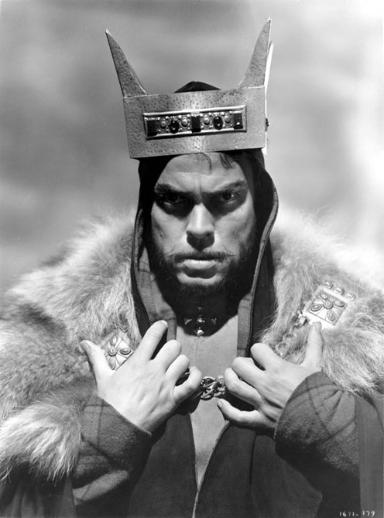
This still of the individual who looks to be a monarch uses high-key lighting in addition to back lighting. With not a huge amount of contrast between light and dark, the lighting in this still is effective in making him look like a character of importance/significance as the crown he's wearing also connotes. 


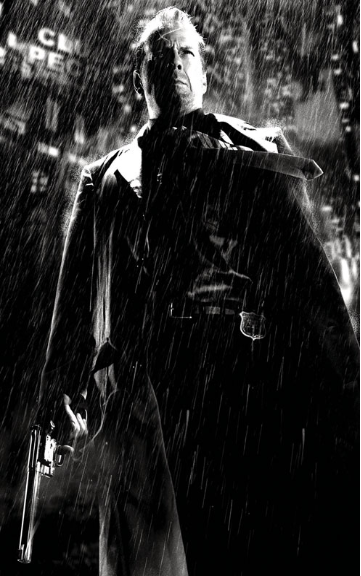
This fourth still image uses low-key lighting. Here it helps create strong, dramatic shadows on the character. Additionally, the use of top and back lighting emitting from what appears to be city lights, help create quite a dramatic undertone  perhaps in suggestion to the underworld of society. What's also apparent is the firearm being held in the hand of the character which appears to be more brightly lit than the character himself  This focus on the firearm helps make it appear as maybe if not as important, almost more important than the character in the still himself, perhaps suggesting a 'live by the gun, die by the gun,' criminal lifestyle.
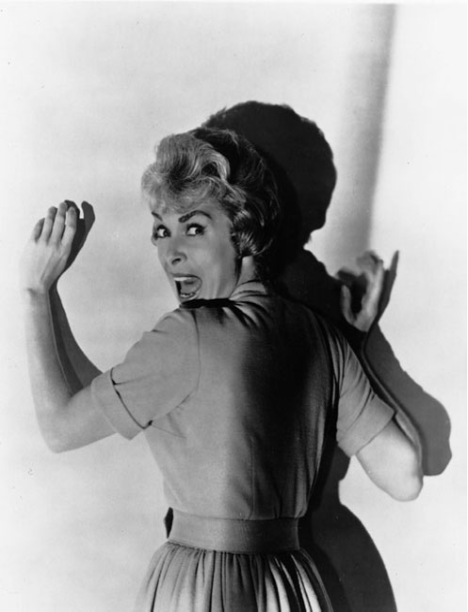

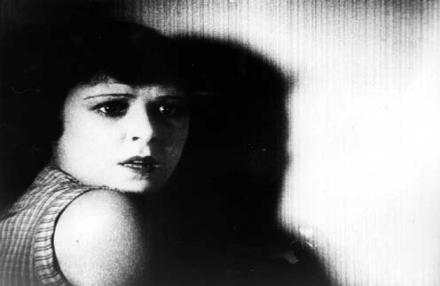
The fifth still employs more low-key lighting. By doing this a dramatic shadow is produced of the character herself, adding to this idea of her facing impending doom as her frightened facial expression already suggests. Also with the character and her shadow via low-key lighting the only things actually visible in the poster coupled with her facial expression, a sense of mystery is created as we as viewers are totally unaware of what exactly the woman may be showing fear towards.


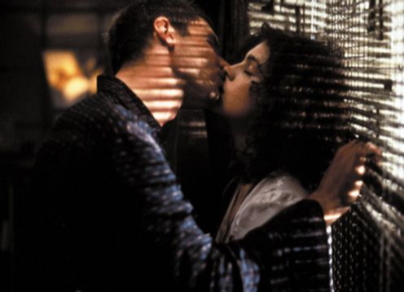
This still puts quite high-key lighting into use. With it being set in what looks like a reasonably dark room with the only source of light coming from the blinds on the right side of the image, the still produces a more realistic effect for the scene. This use of darkness bar the light shining through the blinds also helps portray the scene as a more intimate and private moment, as suggested by the kissing of the two characters.


This picture here adopts low-key lighting. As well as back lighting to help produce silhouettes/shadows of the characters, the low-key lighting of this still means that no specific features of the 4 characters in the centre of the still are actually distinguishable. However in the bottom-left corner of the image there's a silhouette of an individual flat out on the floor, with what looks like something going through his head. This creates a more menacing aura around the 4 standing individuals, as if they were responsible for whatever may have happened.


This still here uses low-key lighting and back lighting. Similarly to the fifth image, the only things present in this still are the character and her shadow, possible through the contrast and dramatic shadows with low-key lighting. Additionally with the light shining on the face of the woman, underlighting could have potentially been employed in order to add to a more ominous feel to the scene.


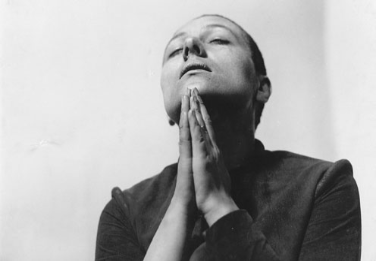
This image here uses high-key lighting. With the still appearing to be a lot more natural looking than most of the other ones, perhaps what's meant to be achieved in this is for the viewers to be empathetic towards the character since she may be going through quite a lot. This is also suggested by her hands appearing as if she's praying to God.


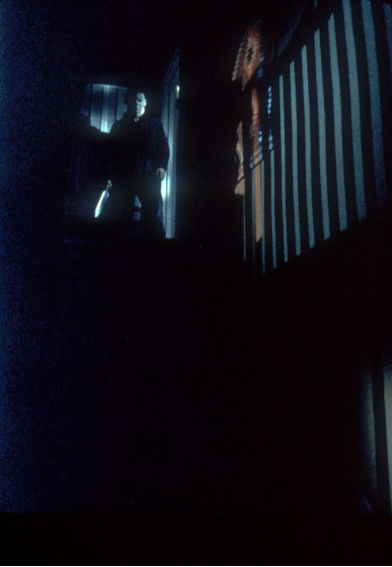
In this still, low-key as well as back lighting can be said to have been used. With it looking like something from a horror movie, the still helps present the character who looks like he's on top a staircase as something of a predator as he stands. As well as this, the complete darkness at the bottom of the image through the low-key lighting make the character of the top of the stairs look as if he's going to the 'deep depths' of a basement, again key iconography of a horror film.


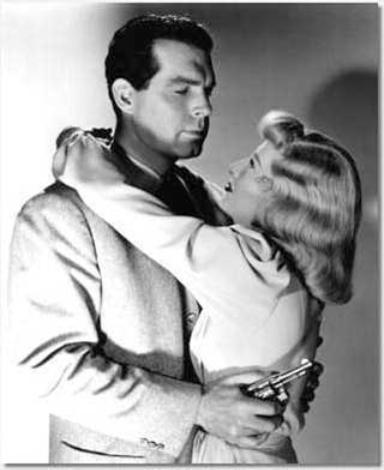
In this last still, high-key lighting is used. Although shadows are created, they are in a way that a contrast between light and dark isn't completely jarring. In addition to this, top lighting is used as a way of presenting both characters as glamorous and perhaps quite stylish, particularly for the time period.